Tin Tức

Hiển thị các bài đăng có nhãn stainless steel. Hiển thị tất cả bài đăng

Thứ Ba, 4 tháng 12, 2018

How to calculate the stainless steel items’s weight if changing their dimentions

How to calculate the stainless steel items’s weight if changing their dimentions

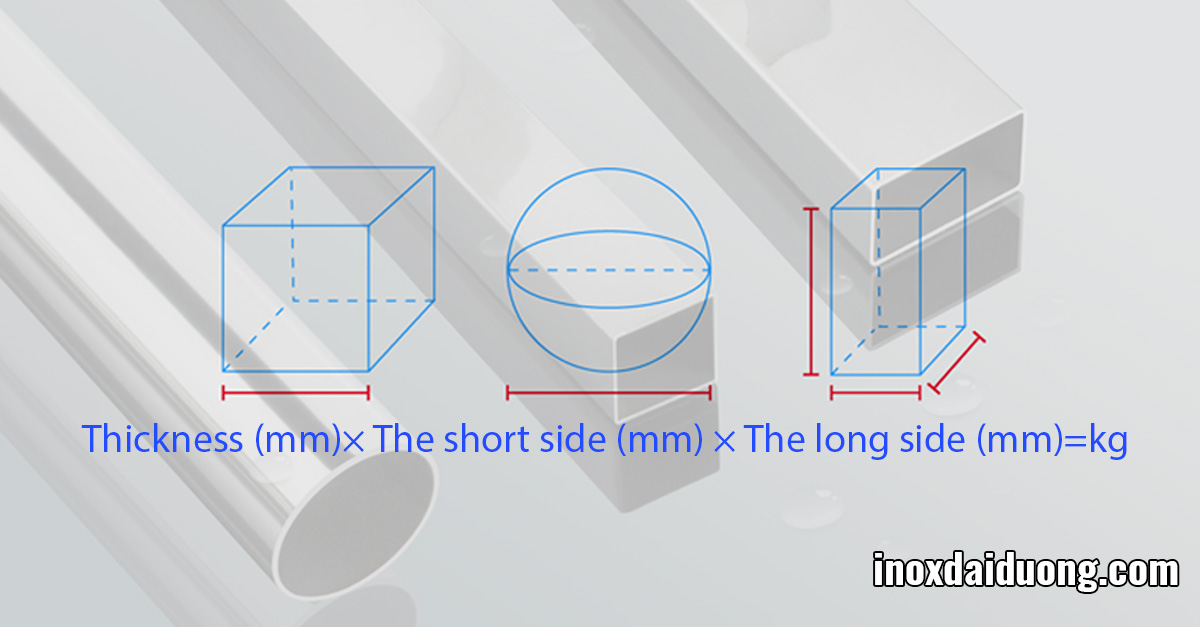
We can calculate the item’s weight with the given sizes by the following formula:

The relative weight belonging to the following kinds of stainless steel items in the picture is calculated by practically weighting the sample item of stainless steel maintaining the sizes:  thickness 1mm, the short side 1000mm, the long side 1m 9 (based on the standard KS.D3695), for example:  stainless steel item, grade 304 possessed the relative weight g=7,93g/m3 after applying the practical calculation.
Thickness (mm) × the short side (mm) × the long side (mm): 1000.000=kg
How to calculate the stainless steel items’s weight if changing their dimentions
Or  Thickness (mm)× The short side (mm) × The long side (mm)=kg
And the other sample: the weight of stainless steel item, grade STS 304 with the thickness: 0.6mm,the short side 1219mm, the long side : 2438 mm is applied the below formula:
0,6 x 1219 x 2438 x 7,93 : 1.000.000 = 14,14 kg
(or 0,6 x 1,219 x 2,438 x 7,93 = 14, 14 kg)
Further searching: weight calculation methods for round, rectangular, squares.

Thứ Ba, 30 tháng 10, 2018

The Stainless Steel Surface Finish Classification And Their Apllications

The Stainless Steel Surface Finish Classification And Their Apllications

Please search and download below the stainless steel surface finish chart and their applcations updated in 2018.

The Surface Finish No.0:
Definition: this is produced by heat treating and hot rolling, annealing,but unpickling
Application: industrial cisterns, industrial pipes, etc..
The Surface Finish No.1:
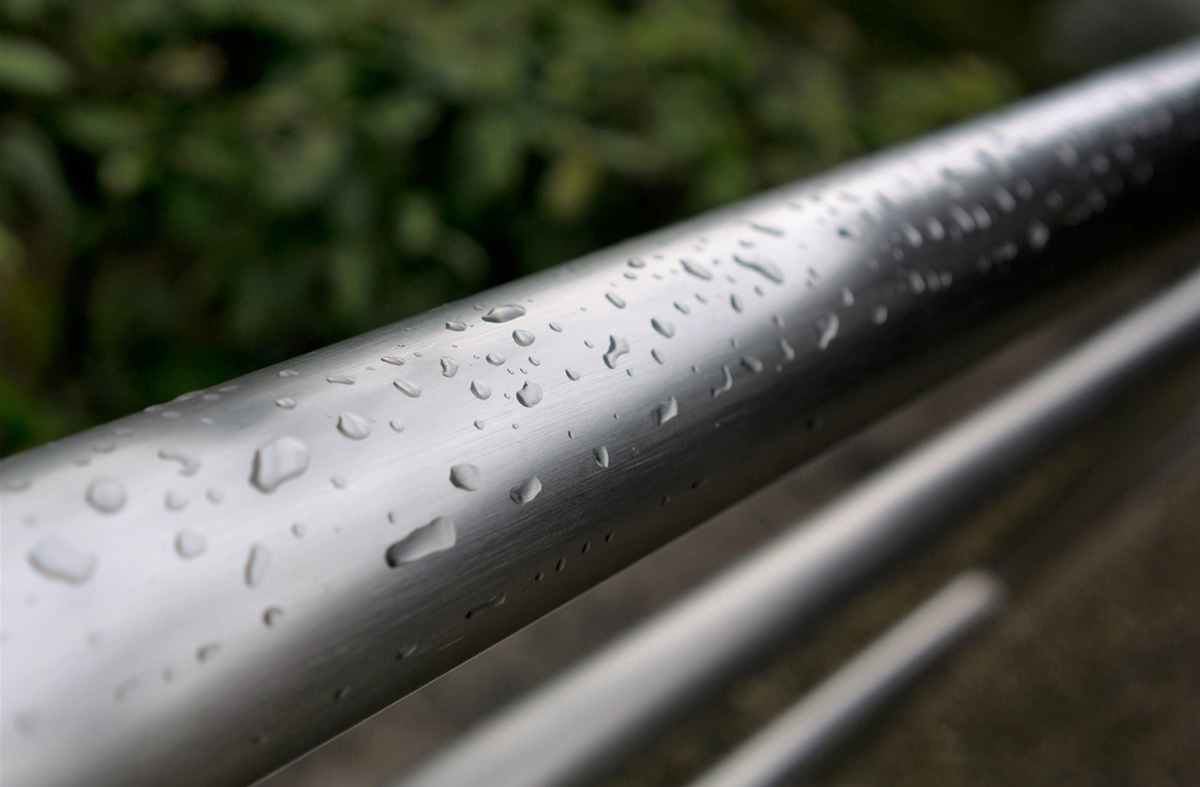
The Surface Finish No.0 / No.1 industrial cisterns, industrial pipes, etc..
Definition: this is produced by heat treating and pickling after hot rolling
Application: air heaters, annealing boxes, etc…
The Surface Finish No.2D:
Definition: it is produced by heat treating and pickling after cold rolling
Application: automotive exhaust system, electric range parts,chemical tray and pan,etc…
The Surface Finish No.2B:
Definition: it is produced by heat treating, pickling,lightly cold rolling to obtain appropriate luster surface after cold rolling.
Application: builder’s hard ware, food processing e quipments, medical accessories,etc…
The Surface Finish No.BA:
Definition: it is produced by giving high luster finish and subjecting to bright heat treatment after cold rolling.
Application: architectural components, commercial refrigerator, kitchen equipments,etc..

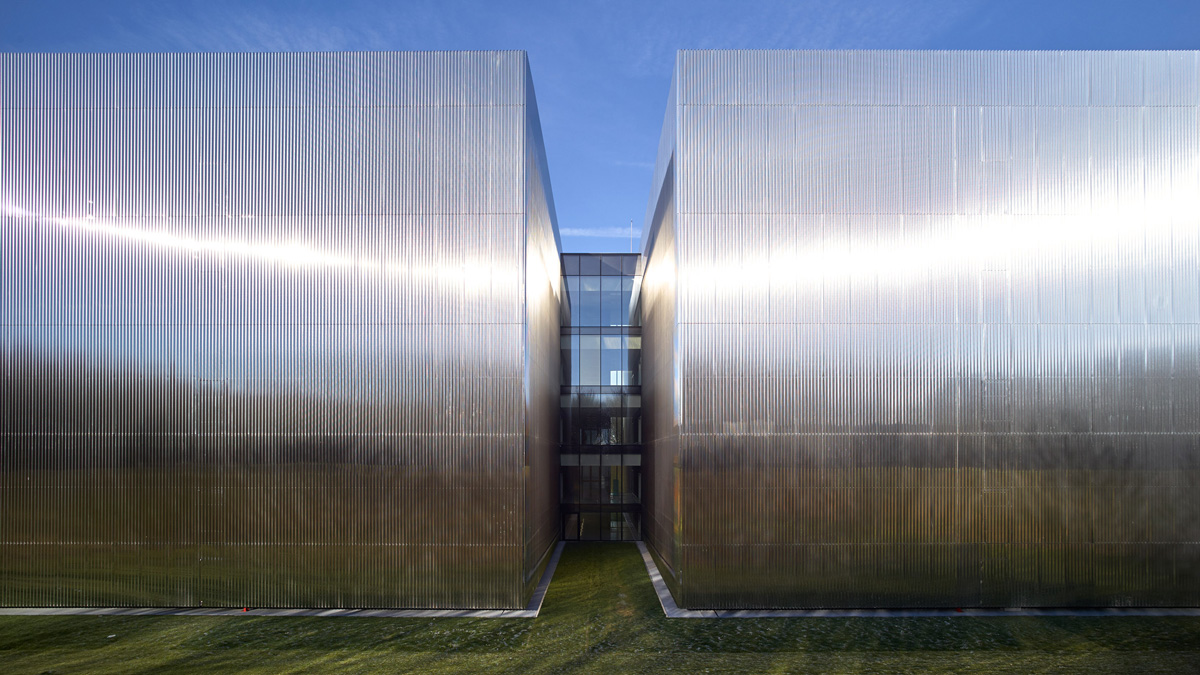
The Surface Finish No.BA / No.3 scientific apparatus
The Surface Finish No.3:
Definition: it is produced by polishing with abrasives No.100-120 grit specified in JIS R6001.
Application: food processing equipment, architectural components, scientific apparatus, etc…
The Surface Finish No.4:
Definition: it is produced by polishing with abrasives No. 150-180 grit specified in JIS R6002.
Application: kitchen equipment, hospital surface and equipment, escalator trim

The Surface Finish HL:
Definition: it is produced by polishing with suitable abrasives to obtain continues streaks.
Applications: architectural components ,etc…
The Surface Finish No.8
Definition: polishing with polishing belt to obtain high reflectivity, “mirror like”.
Application: reflector, mirrors, elevator door, interiror decoration, outdoor building decoration, etc…

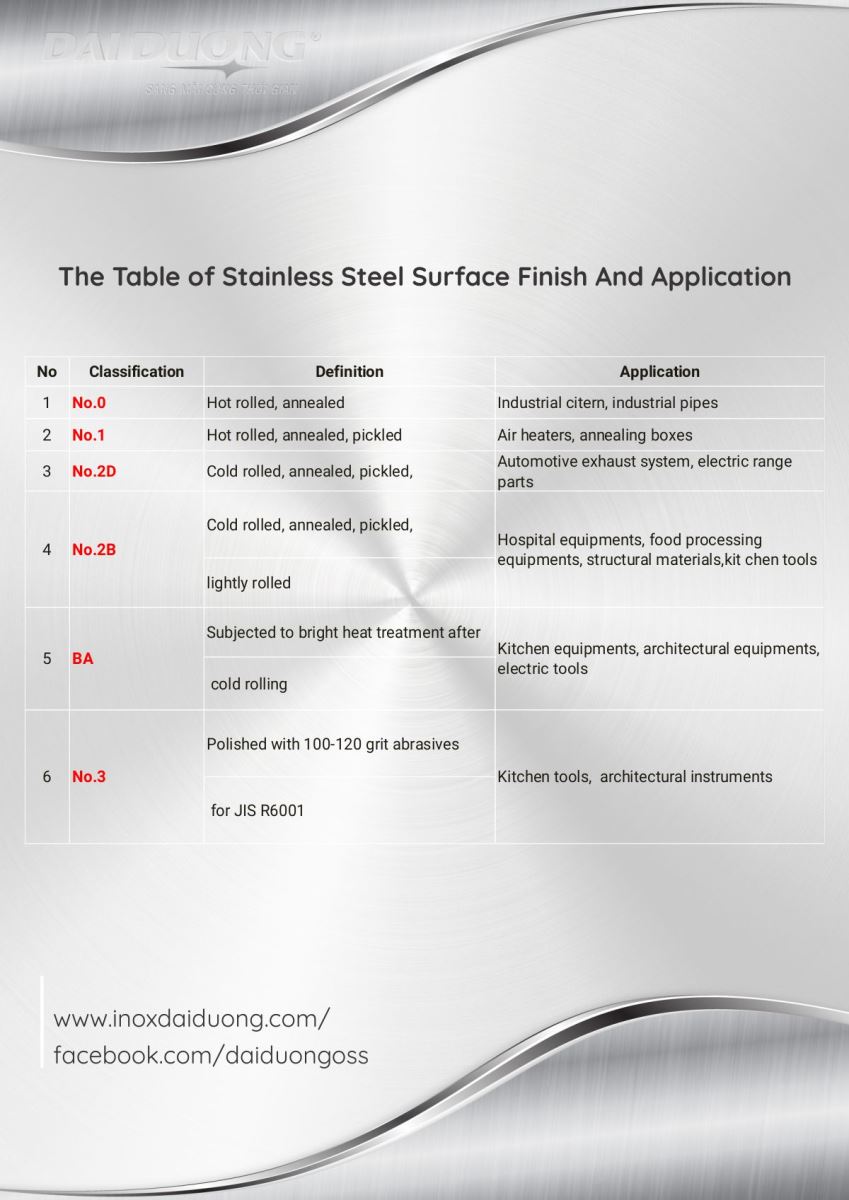
Downloads / The Table of Stainless Steel Surface Finish And Application:

The Table of Stainless Steel Surface Finish And Application

Thứ Ba, 2 tháng 10, 2018

Is there stainless steel magnet suction? Why is stainless steel 304 magnetized and how to overcome?

Is there stainless steel magnet suction? Why is stainless steel 304 magnetized and how to overcome?

In the market of stainless steel, there are two common stainless steel grade, that is SUS 201 and SUS 304 with the default information is stainless steel SUS 201 suction magnets mild and rusty, stainless steel SUS 304 does not suck magnets and non-rusty, Is the information correct?
With the default information is SUS 201 stainless steel is suction magnets mild and rusty, SUS 304 does not suck magnets and non-rusty, whether this information is correct or not?
To understand more about the two basic properties of stainless steel, we need to find out what the suction magnets and not rusty (ability against Oxidation  and corrosion).

The first, we find out chemical composition of stainless steel SUS 201 and SUS 304

Chemical composition of stainless steel SUS 201 and SUS 304 (by weight) according to Japanese standard JIS
Grade
C
Si
Mn
P
S
Cr
Ni
Mo
Other Element
SUS 201
≤ 0.15
≤ 1
5.5 - 7.5
≤ 0.06
≤ 0.03
16 - 18
3.5 - 5.5
-
≤ 0.25
SUS 304
≤ 0.08
≤ 1
≤ 2
≤ 0.045
≤ 0.03
18 - 20
8 - 10.5
-
-
Ability corrosion (antirust) of  stainless steel is mainly due to the percentage of Cr, Ni, Mo. When chromium (nickel) in steel alloy is exposed to air, a very thin layer of chromium oxide (nickel oxide) appears on the surface of the material, which is so thin that it cannot be seen with the naked eye. The metal surface is still shiny. However, they didn’t affected by the water and the air so it protect the steel layer below. Mo-lip-đen (Mo) is made stainless steel more resistant to corrosion in acidic environments.
Is there stainless steel magnet suction? Why is stainless steel 304 magnetized  and how to overcome?
Classification of stainless steel by phase organization

According to the phase organization (lattice type) stainless steel is divided into four categories:

  • wo-phase stainless steels (duplex) are type 0.1-0.4% C and 13% Cr with two - phase organization is ferit (high Cr soluble) and bit Cr.
  •  Single phase ferrit stainless steels have a ferrite phase with 13% Cr and C <0.08% or with 0.1-0.2% C but with 17-25% Cr.
  • Austenite Single phase stainless steel have high Cr (16-18% Cr) and high Ni (> 6% Ni). It is also named 18-8 (Cr> 18% and Ni> 8% ).
  • Stainless steel persistence detail phase is a steel, that is included components and organization same as a Austenite but the Cr and Ni is low than but has been added Al, Cu, Mo and a Austenite is not stability.
Stainless Steel with phase group
Magnetic (magnet attraction)
Corrosion
Austenite
No
High
Ferit
Yes
Medium
Duplex
Yes
Very High
Persistence detail phase
Yes
Medium
Capability of magnetism is due to the arrangement of stainless steel crystal (phase organization) decision.
Based on the chemical composition and classification of the steel group we see SUS 304 belong to the group of single phase stainless steel OSTEIT and SUS 201 belongs to the group of stainless steel single phase ferrit.
Thus, "stainless steel SUS 201 suction magnets mild and rusty, stainless steel SUS 304 does not suck magnets and non-rusty" is true but not enough because. These properties just right ingot steel out of the metallurgical plant is properly processed according to the process to achieve the desired steel organization. Stainless steel products to the consumer must go through many stages of processing such as rolling, torn, folding, grinding, welding ... the thermal impact and mechanical impact in the process if not solved (usually handle by heat), SUS 304 stainless steel will be changed Ôstenit-phase lead to ability the stainless steel SUS 304 is magnetism so SUS 304 stainless steel is still suctioned but anti-corrosive stainless steel SUS 304 is still intact due to the process does not change the chemical composition of stainless steel SUS 304.

Cause stainless steel is suction magnets

The cause of stainless steel products is magnet attraction is due to the magnetic induced due to strong and concentrated deformation, Usually magnetic will arise at angular or inflection points. with uncoated rolls or stainless steel pipes will not encounter the above cases. With stainless steel bending to some degree will still be magnetized.
Magnetic arising in the process of cold processing: Rolling, Slitting, ... At the processing sites, stainless steel is heavily impacted, the surface is deformed, along with the lattice at this location will change to be magnetic. This phenomenon will decrease over time.
With decoration rectangle pipe products, the pipe will be infected Magnetic mildly magnetism and concentrated in the corner because the corner is where the most damage and deformation, the thicker and smaller rectangle pipe, Magnetic is the greater.
With the round product due to no angle, the distribution force is evenly distributed on stainless steel so it is difficult to generate magnetism.
In the process of production is incurred magnetism from the normal, the austenitic current is not magnetic but after cold rolling, the surface deformation phase change to Magnetic should appear from the lightweight. Austenitic ducts are also susceptible to mild magnetic infections.
Conclusion: So Stainless Steel Products That use magnets lead to corner points, edge, bending Points is transformed, this is fully normal. This magnetism will be born and will fall in time, no effect the quality of stainless steel products.

Thứ Sáu, 28 tháng 9, 2018

giải đáp thắc mắc stainless steel là gì?

Stainless steel là

Stainless steel là từ tiếng anh của thép không gỉ (i nốc) trên toàn thế giới. Stainless steel là một hợp kim sắt chứa chất Crom với lượng tối thiểu là 10,5%. Crom sẽ tạo ra một lớp mỏng oxit trên bề mặt của thép. Chính lớp oxit mỏng này giúp ngăn chặn sự ăn mòn trên bề mặt do sự tác động của các yếu tố bên ngoài. Càng tăng tỉ lệ Crom trong hợp kim sẽ càng làm tăng khả năng chống ăn mòn của stainless steel. Không chỉ có Crom, hợp kim thép không gỉ còn chứa các chất như Carbon, Nikel, Molypden, Mangan… nhằm làm tăng khả năng chống mài mòn cũng như bổ sung thêm một vài đặc tính tốt khác như khả năng tạo hình, tính bền…

stainless steel được ứng dụng rất đa dạng trong nhiều lĩnh vực của đời sống. Vì vậy, ngày càng nhiều người sử dụng thép không gỉ để cải thiện đời sống cũng như tiết kiệm chi phí, thời gian nhờ đặc tính bền và chống ăn mòn cao, dễ dàng vệ sinh. Sau đây Inox Đại Dương gửi đến bạn đọc một số ứng dụng của thép không gỉ
Ứng dụng của thép không gỉ trong gia dụng
Thép không gỉ được ứng dụng rộng rãi nhất trong gia dụng bằng cách làm các đồ dùng nhà bếp như nổi, chảo, dao nĩa, muỗng đũa, thau, chậu, bếp ga,…Ngoài ra còn có các dụng cụ phục vụ cho vệ sinh, khử mùi, sử dụng cho nhà tắm như bồn rửa, vòi hoa sen, vòi nước. Sử dụng thép không gỉ cho các sản phẩm này càng làm phòng tắm trở nên sáng bóng và sạch sẽ hơn.

Dụng cụ nhà bếp

ứng dụng stainlees steel làm dụng cụ nhà thép trong gia dụng

Có thể bạn chưa biết: Stainless Steel Dai Duong | Vietnamese high quality products - European Standard

Ứng dụng của thép không gỉ trong công nghiệp

Thép không gỉ được ứng dụng rộng rãi trong các ngành công nghiệp bao gồm công nghiệp năng lẫn công nghiệp nhẹ như hóa dầu (thùng chứa hóa chất), đóng tàu (các bộ phận như neo, chấn lưu, mái chèo, các đường dẫn và một số bộ phận của tàu thuyền, hệ thống xử lý nước thải…), thực phẩm (các dụng cụ trong nhà máy sản xuất, chế biến thức ăn, nhà máy nước uống, bia, nước ngọt, đồ hộp chứa thực phẩm, bình giữ nhiệt…)

Thép không gỉ trong ngành thực phẩm:

ứng dụng thép không gỉ trong ngành thực phẩm

Ứng dụng của thép không gỉ trong y tế:

Ngành y tế có yêu cầu rất cao trong vấn đề vệ sinh và vô trùng, do đó, thép không gỉ có thể đáp ứng tốt cho các ứng dụng ngành này như mũi kim tiêm, dụng cổ phòng mổ (dao, kéo, kẹp…) giường y tế, tủ đầu giường, đèn phòng phẫu thuật, thùng phaan loại rác, ca, ly, bình chứa thuốc (chất lỏng), dụng cụ thí nghiệm… Inox thường được sử dụng trong ngành y tế là Inox SUS316, SUS316L nhờ đặc tính chịu nhiệt và chống ăn mòn trong môi trường khắc nghiệt.
Có thể bạn chưa biết: Inox 304 khác với inox thường như thế nào?

Ứng dụng của thép không gỉ trong xây dựng

Vì thép không gỉ có đặc tính bền và chống oxy hóa cao nên sử sử dụng triệt để cho các ứng dụng trong ngành xây dựng, đặc biệt là những công trình khu vực ngoài trời. Ngoài ra, vì inox dễ định hình uốn cong nên được sử dụng một cách đa dạng. Ngày nay, inox còn được dụng để làm tôn lợp vì đặc tính chịu nhiệt cao của nó. Tính ứng dụng của thép không gỉ cũng khá cao trong ngành kiến trúc, những công trình từ quy mô nhỏ đến quy mô tầm cỡ trên Thế giới.
ứng dụng inox trong xây dựng

Ứng dụng của thép không gỉ trong trang trí

Hiện nay, nhu cầu về làm đẹp nhà ở, các công trình kiến trúc…ngày càng tăng cao. Tận dụng lợi thế những đặc tính tốt của thép không gỉ, người ta sử dụng chúng trong trang trí nội thất, sân vườn, tòa nhà, các nơi công cộng…

Ứng dụng của thép không gỉ trong vận tải

Thép không gỉ còn được ứng dụng để làm các thiết bị, bộ phận các loại xe cộ như các hệ thống ống xả khí, khung sườn xe, vành bánh xe, vòng đệm… Các bộ phận, thiết bị trong phương tiện xe lửa, máy bay và các phương tiện công cộng khác cũng sử dụng thép không gỉ nhằm gia tăng tuổi thọ của sản phẩm, dễ vệ sinh (do độ bám bẩn của inox rất thấp).

Thứ Hai, 24 tháng 9, 2018

Ấn Độ khởi xướng vụ việc điều tra chống trợ cấp đối với sản phẩm ống thép không gỉ nhập khẩu từ Trung Quốc và Việt Nam

Ngày 09 tháng 8 năm 2018, Tổng vụ Phòng vệ thương mại (DGTR) – thuộc Bộ thương mại và Công nghiệp Ấn Độ đã thông báo khởi xướng vụ việc điều tra chống trợ cấp đối với sản phẩm ống thép không gỉ có xuất xứ hoặc nhập khẩu từ Trung Quốc và Việt Nam.

 Một số thông tin về vụ việc:

- Sản phẩm bị điều tra: ống thép không gỉ (“Welded Stainless Steel Pipes and Tubes”) gồm các mã HS: 73061100; 73062100; 73064000; 73066100 và 73066900.

- Nguyên đơn: Hiệp hội sản xuất ống thép không gỉ và một số công ty sản xuất của Ấn Độ.
- Thời kỳ điều tra: (i) về trợ cấp: 04/2017 – 03/2018 (12 tháng); (ii) về thiệt hại: 2014-2015, 2015-2016, 2016-2017 và thời kỳ điều tra trợ cấp.
- Cáo buộc của nguyên đơn: Nguyên đơn cáo buộc rằng các nhà sản xuất/xuất khẩu hàng hoá bị điều tra của Việt Nam đã được nhận các khoản trợ cấp có thể đối kháng (ưu đãi thuế, miễn giảm thuế, ưu đãi khoản vay, hỗ trợ xuất khẩu…) từ Chính phủ và các cơ quan quản lý nhà nước các cấp của Việt Nam, gây ra thiệt hại đáng kể cho ngành sản xuất nội địa của Ấn Độ.
ống thép không gỉ bij bị điều tra tại ấn độ (“Welded Stainless Steel Pipes and Tubes”) gồm các mã HS: 73061100; 73062100; 73064000; 73066100 và 73066900.

- Doanh nghiệp bị đơn: DGTR không tiến hành chọn mẫu đối với Việt Nam mà thực hiện đối với Trung Quốc do số lượng các doanh nghiệp Trung Quốc trong vụ việc này lớn. Do đó, tất cả các doanh nghiệp xuất khẩu sản phẩm bị điều tra của Việt Nam đều được điều tra riêng và nhận mức thuế riêng căn cứ thông tin/số liệu của chính doanh nghiệp cung cấp (trừ trường hợp doanh nghiệp không tham gia vụ việc hoặc không hợp tác đầy đủ).
Các bên liên quan (bao gồm Chính phủ nước bị điều tra, các nhà xuất khẩu, các nhà nhập khẩu và người tiêu dùng hàng hoá bị điều tra…) có thể gửi thông tin, bình luận/lập luận bằng văn bản tới cơ quan điều tra (DGTR) theo địa chỉ:
“The Designated Authority
Directorate General of Trade Remedies
Department of Commerce
Ministry of Commerce & Industry
     4th Floor, Jeevan Tara Building, 5 Parliament Street, New Delhi – 110001”
          Tất cả thông tin bằng văn bản bao gồm bản trả lời cần gửi tới DGTR trong vòng 40 ngày kể từ ngày ban hành thông báo khởi xướng điều tra (tức chậm nhất là ngày 18 tháng 9 năm 2018). Trong trường hợp không nhận được thông tin trong thời hạn quy định hoặc các thông tin không hoàn chỉnh hay không được nộp theo đúng quy định, DGTR sẽ sử dụng các dữ liệu sẵn có bất lợi để tính toán mức thuế chống trợ cấp.


Cục Phòng vệ thương mại khuyến nghị các doanh nghiệp xuất khẩu của Việt Nam hợp tác, cung cấp thông tin đầy đủ và hợp lệ cho DGTR trong toàn bộ quá trình điều tra để tránh bị cơ quan điều tra kết luận dựa trên thông tin, bằng chứng sẵn có bất lợi và phối hợp chặt chẽ với Chính phủ (Cục Phòng vệ thương mại – Bộ Công Thương là cơ quan đầu mối) trong vụ việc này để kháng kiện vụ việc một cách hiệu quả. 
                                                                       
Nguồn: ( Inox Đại Dương: Phòng xử lý Phòng vệ thương mại nước ngoài)

Chủ Nhật, 9 tháng 9, 2018

Vietnamese high quality products - European Standard

Vietnamese high quality products - European Standard

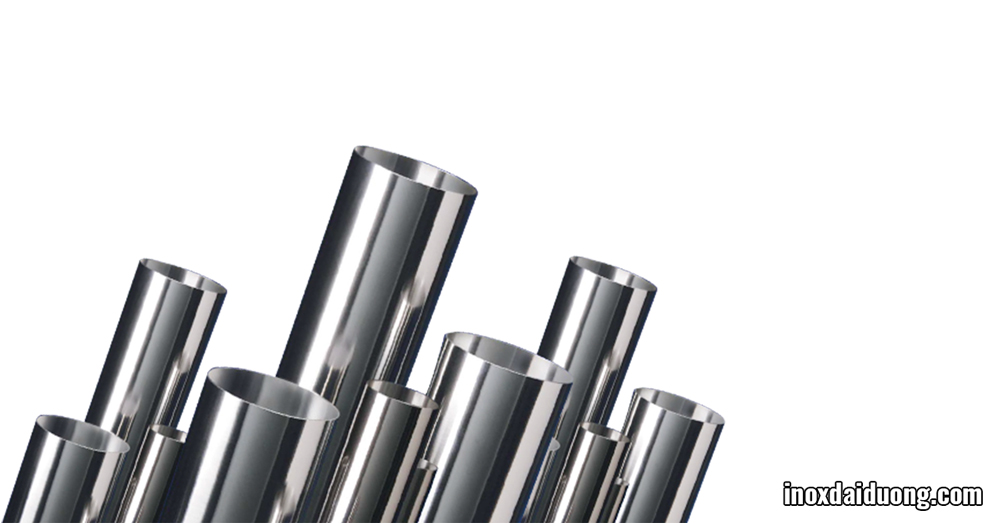
Stainless steel round pipes /square pipes/ rectangular pipes with Grade 304/201/430/410. These products are manufactured by modern technology chain, strictly complied with ISO 9001:2008 standard. They are sold in local market as well as exported into foreign market, such as: ASEAN, India, Korea, Thailand, Russia etc. 
Stainless steel round pipes
Stainless steel rectangular / square
Stainless steel bright round bars complied with GARG INOX (India) technology

Source: linkedin

Thứ Bảy, 2 tháng 6, 2018

Cleaning and preservation stainless steel 2018

Today, Dai Duong shares for reader how to clean and preserve stainless steel. Stainless steel has more ability resistance corrosion than carbon steel. So, the cleaning and preservation are very essential because the corrosion depends on condition or environment.

The reasons of corrosion of stainless steel

Stainless steel has more ability resistance corrosion than carbon steel. So, the cleaning to and preservation are very essential because the corrosion depends on condition or environment.
Stainless steel can be rusted when the protective film is destroyed by some reasons and regeneration of the protective film is interrupted.
  • Clo
  • The corrosion due to pollution, precipitates and condensates
  • The corrosion due to contact with other metals.
  • The protective film is destroyed
  • Incorrect welding mode and the welded temperature is affected
Cleaning and preservation stainless steel

The corrodents , influence and environment

No.The corrodentsInfluenceEnvironment
1axit HCl, H2SO4Because of the low pH, the passive protective film is unstableBleach, factory, and car exhaust
2Clorit (NaCl, …)Ion Clo dissolves in water to destroy passive protective film.Coastal
Waste treatment area
3Dirty, dust, charcoal sootMix in air, impact on passive protective film.Factory and car exhaust
Near the constructions site
4Difference metalsExposure to metal surfaces occurs self-corrosive metalsThe area near the iron steel plant or construction site.

The corrosion of stainless steel cases

1. The corrosion holes. The passive membranes is destroyed by high Clo content in the air
2. The corrosive reaction due to incorrect weld.
3 The corrosion occurs due to weld.
4. Use the wrong cleanser.

Use stainless steel for the right environment.

Stainless steel can maintain longevity and shiny surface by using suitable steel for application environment.
CountrysideUrbanIndustrial zoneCoastal
ILMHILMHILMHILMH
Duplex
316
304
430
Pay attention:
  • I (Indoor Environment): 
  • L (Low Grade Environment):
  • M (Medium Grade Environment
  • H (High Grade Environment)
  • ○: very suitable    ●: quite suitable    ♦: frequently clean    ■: Not suitable

Prevention when processing and construction.
PreventionManagement
Work toolOnly use stainless steel toolsDuring metal processing will produce dust steel, When using tools for processing carbon steel, dust steel will stick to the surface of the stainless steel, Corrosion may occur due to contact metal. So, only use stainless steel tools or cleaning the tools before using.
WeldWelding rodNot mix with other welded rod
Prevents contamination such as moisture, lubricant.
Welds and heat affected areasWhen passive protective layer and heat affected area are destroyed by high temperature, need heat treatment to provide resistance to corrosion. Remove the scales at the welding area, using a grinder, brush or sandpaper.
Clean welding area to regenerate passive protective layer.   
otherRemove the protection layerContaminants from the protective layer can create corrosion when placed outdoors, Protective layers are removed after 3-6 months
CleaningWash with water or use detergent neutral to remove oil, soil, dust, iron dust.

Cleaning cycles

EnvironmentCountrysideNormal areaCity, industrial zone, coastal
Special area
Areas exposed to rain
(outside)
No pollution1 – 2 times/year2 – 3 times/year3 – 4 times/year
Pollution2 – 3 times/year3 – 4 times/year4 – 5 times/year
Areas not exposed to rain
(outside)
No pollution1 – 2 times/year3 – 4 times/year4 – 5 times/year
Pollution2 – 3 times/year4 – 5 times/year5 – 6 times/year
Cleaning method: wash with water or with neutral detergent.
Cleaning method
DustSoap, detergent or dilute 1% ammoniac solution in warm water.
Apply with sponge, soft cloth, soft yarn brush then clean with water and make dry
FingerprintDetergent and warm water or Hydrocacbon solution.
Stain greaseHydrocacbon.
Stain, discoloration, bright spotsUse sponge, soft cloth to wipe with water and dry. Prevent exposure to Clo.
Rust caused by carbon steelAxit Photphoric 10%, then wash by ammoniac and water or axit solution, then wash again with water.
Hard water or cementAxit Photphoric 10%, diluted Amoniac, warm water, neutral, wash with axit and then dry.
Avoid using HCl to remove cement.
DiscolorationAnti- scratch or polish. Use soft or sponge cloth, clean the residue with water and dry
Nylon pads
Stains or dust accumulationUse sandpaper to rub then rinse to remove dirt and iron dust
PaintUsing specialized alkali, solvent depending on the type of paint, using foam, nylon

Cleaning method and remove rust

Rust conditionCleaning method
The first stage of rustNeutral detergent.
Red rustAlthough rust is present, cleaning frequently may return to original state
Rust caused by iron dustIf rust can not be removed by normal detergent, remove rust by sandpaper or brush made of stainless steel.
The first stage of rust, the rust is removed by mild detergent. The latter use 15% nitric acid.
Rust caused by acid rain or emissionsThe first stage of the rust, removed by mild detergent. The latter uses 15% nitric acid.
Rust caused saltWindow frames or balustrades in coastal areas can cause red rust in a short time. Use special paint for stainless steel or regular cleaning.
Rust caused by detergentWash with water
Stainless steel - Dai Duong
http://www.inoxdaiduong.com/en/t323/cleaning-and-preservation-stainless-steel.html
VN: http://www.inoxdaiduong.com/t323/ve-sinh-va-bao-quan-thep-khong-gi-moi-nhat-2018.html